


The Milne Medal is awarded to an individual engineer for excellence in structural design, both in the overall concept and in the attention to detail in their work, and is named in recognition of the late Bob Milne, who served for many years as the Honorary Secretary of the IABSE British Group. This year, we are delighted to award the Milne Medal to Jackie Heath of Ramboll.
Jackie will give her Milne Medal Lecture “Understanding the past, inspiring the future” (synopsis below) on Wednesday 11th November 2026 at the IStructE, Bastwick Street, London.
Jackie Heath
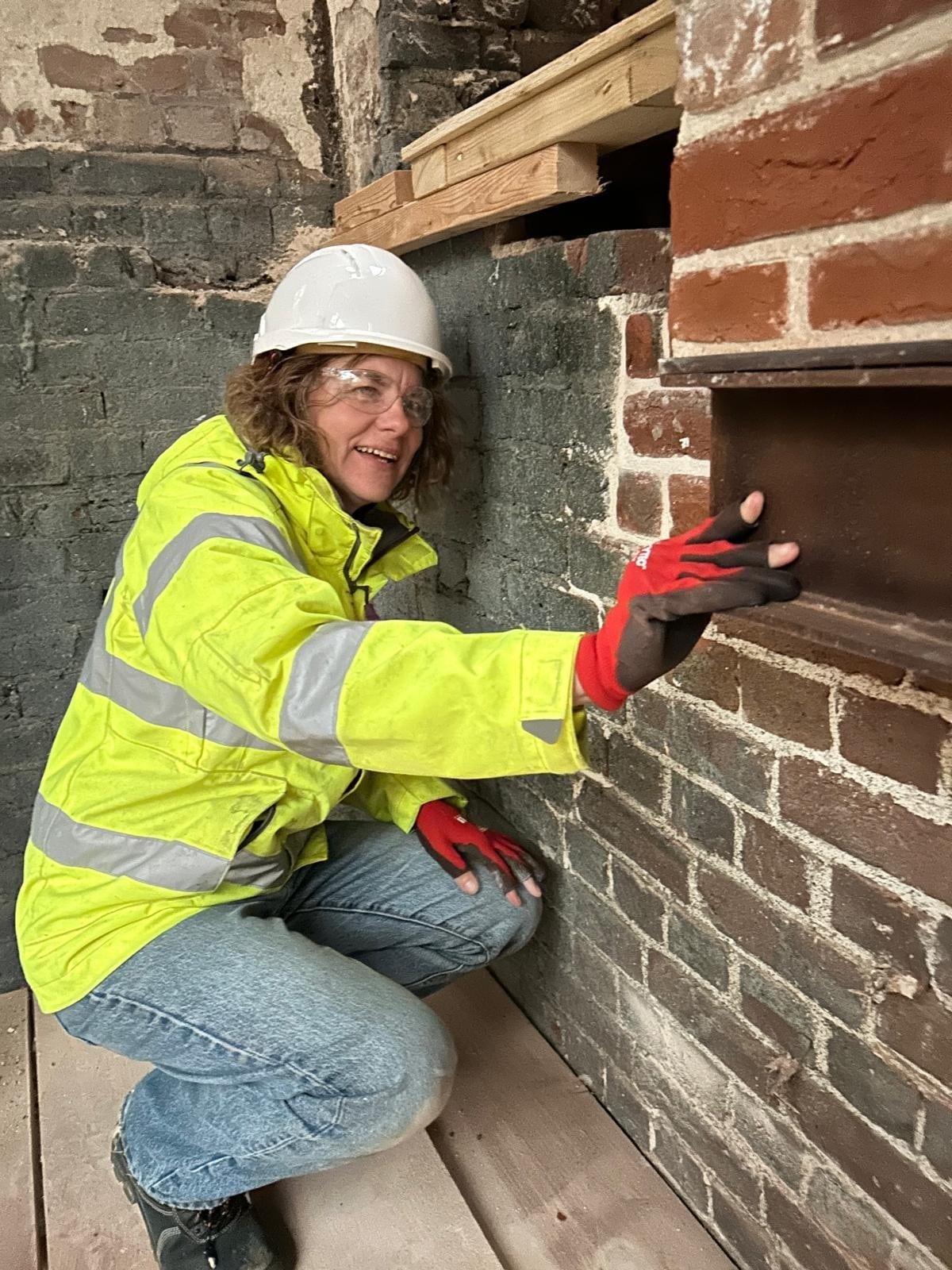
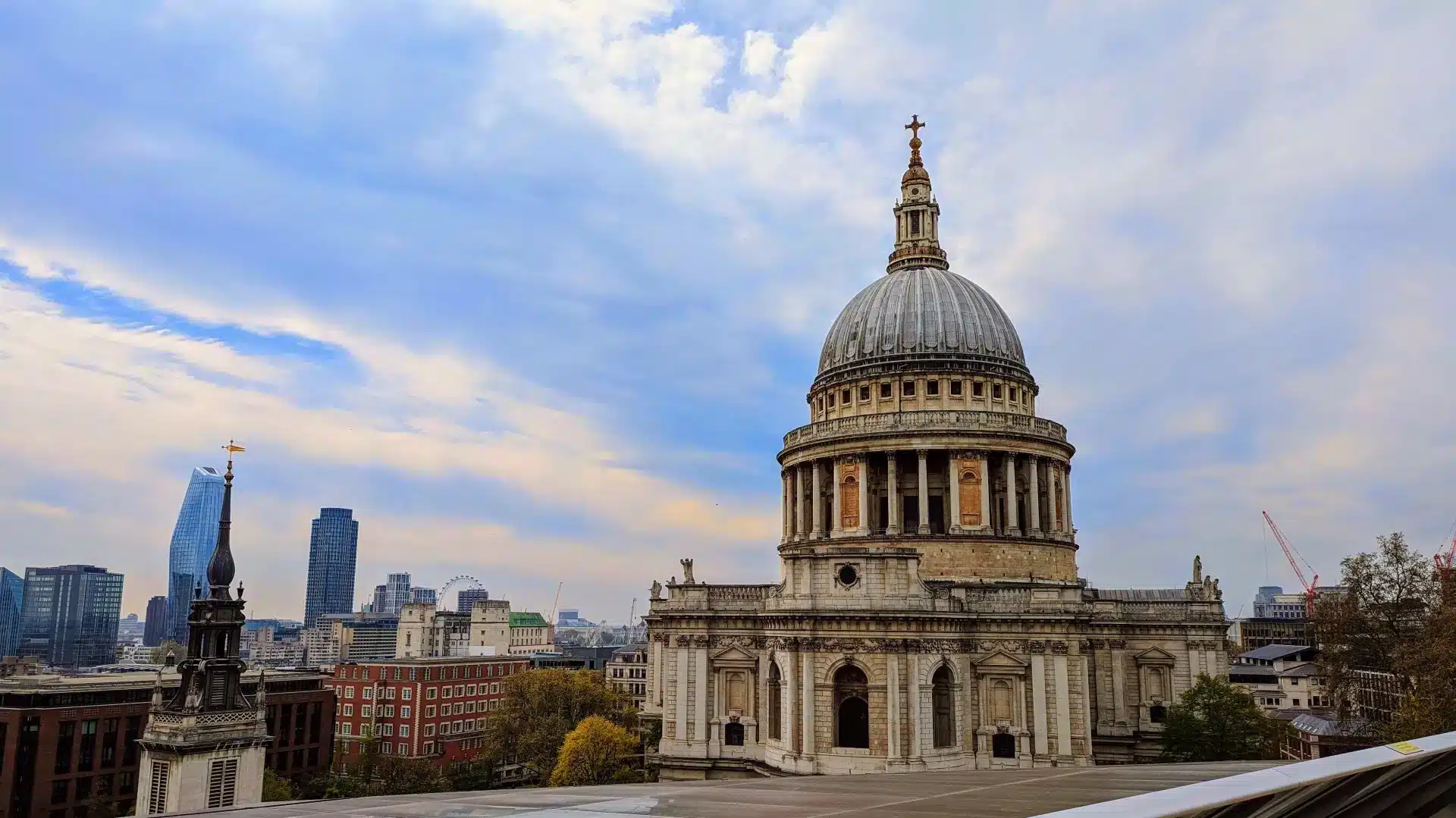
Jackie is one of the UK’s leading conservation and historic building consultants. One of only 100 Conservation Accredited Engineers in the UK, she leads the Ramboll historic buildings team delivering projects in the historic environment, including the Westminster Hall floor repair, Palace of Westminster; the Household Cavalry Museum, Horse Guards Parade; Palm House restoration, Kew Gardens; Iron Bridge, Shropshire; the Royal Garrison Church, Portsmouth; Waltham Forest Town Hall; and conservation of Clandon Park for the National Trust. She is Cathedral Architect for St Paul’s Cathedral and a member of Coventry Cathedral Fabric Advisory Committee and Cathedrals Fabric Commission for England.
Jackie has over 25 years’ experience in inspection, appraisal and adaptive design for historic structures. She is a Chartered Member of the Institution of Civil Engineers and holds an MSc in Building Conservation.
An experienced leader, Jackie delivers multi-discipline designs and nurtures her team’s skills and abilities to help them reach their potential. She supports women through mentoring and Ramboll’s Gender Balance network, creating a workplace where everyone is included and appreciated.
Understanding the past, inspiring the future
Conserving historic structures, such as St Paul’s Cathedral and Hastings Pier, requires a deep understanding of historic construction, together with knowledge of a wide palette of traditional and modern materials. At our best, conservation engineers take clients on a journey, communicating how we diagnose the causes of damage, navigate uncertainty, risk and constraints, and realise our clients’ aspirations. In doing so, we unlock the potential for these structures to have a long and viable future without compromising what makes them special.
Our work relies on evidence, research, careful observation and engineering analysis. But, above all, it depends on people. We stand on the shoulders of previous generations of engineers, architects, craftspeople and builders. Today our simplest, most elegant, solutions emerge through respectful collaboration with our peers in sibling disciplines. We adopt new techniques and approaches, based on understanding structural behaviour, while remaining true to the principles of conservation.
Our skills become increasingly important as the drive for sustainability encourages more, and innovative, reuse of existing buildings. Sustainability and conservation are two sides of the same coin. Yet we face a growing shortage of engineers and heritage contractors as talent and experience leave the industry. We must continue to evolve the way we work, becoming kinder, more inclusive and people-focused, listening carefully, and being ready to support, challenge and inspire our colleagues, especially early careers, to grow a profession in which engineers want to discover the fascinating world of historic structures.
Milne Medal Dinner
The lecture will be followed by a dinner at Gusto. All are welcome to discuss the lecture with Jackie and other IABSE members.